
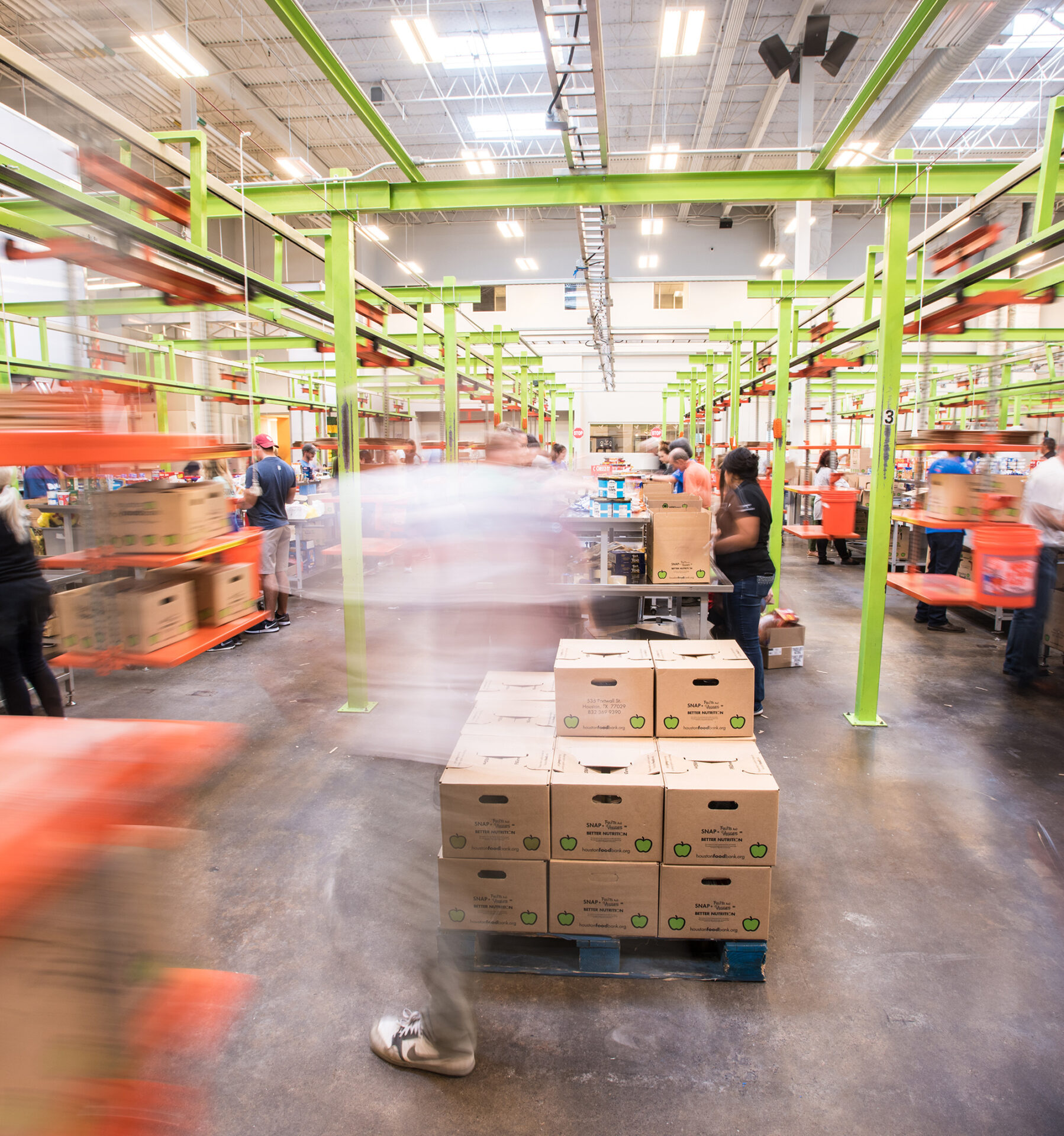
Supply chain, or supply chain, is a term used to define a set of processes involving the production cycle of a given product, including various stages such as manufacturing, storage, and transportation.
This operation represents all activities related to the acquisition of inputs, packaging, warehousing, internal management, sales, and distribution to the final consumer—basic steps that a product goes through inside and outside an organization.
However, for the supply chain to function correctly, it is necessary to invest in a good infrastructure of machinery, systems, and qualified professionals, in addition to integrating the industrial network to optimize communication between suppliers and partners.
Want to know more about the stages of the supply chain and their impacts in this transformation scenario? Read on.
What are the stages of the supply chain?
Due to increased consumption and various challenges in obtaining raw materials, the industrial sector demands new intelligent approaches to manage risks and potential disruptions in production processes, storage, and transportation.
This is because it is necessary to size production and manage requirements such as raw material usage and planning, seeking greater flexibility in delivering unique products to the final consumer with agility and efficiency.
In production, it is necessary to understand market demand and customer needs, directing the products and materials to be produced and used, besides considering the outsourcing of certain services and process digitization.
On the other hand, when it comes to warehousing, efficient inventory planning is required, considering the location and duration of each item to balance excess and shortage, minimizing costs without impacting service even with high demand.
Finally, in the product transportation stage, it is necessary to rely on a good team and strong time management, as well as established deadlines, internal planning, and the use of technology for route optimization.
New ways of thinking about the supply chain
In today’s supply chain scenario, it is necessary to reassess the operation to make it more durable and diversified, mainly due to the pandemic and geopolitical pressures, thereby increasing resilience in production capacity.
This is an important step to rethink the supply chain for the future, but costs must be balanced with efficient risk management, adopting new strategies that are more expansive regarding flexibility and the potential of available technologies.
A good way to achieve these results is to use tools to track goods and components at each stage, connecting them to inventory and warehousing management.
Additionally, in transportation, artificial intelligence and machine learning can be used to identify trends through data.
Technology as an ally
In this context, technology is essential to improve supply chain management, whether by controlling all processes, identifying or anticipating potential inconsistencies, failures, and other aspects that help guide planning according to demand.
In other words, this is a systemic task that relies on effective communication, connecting all professionals and available resources for an optimized view of company activities, especially in process automation.
Technology assists management through tools that make planning more assertive regarding resources and the creation of more effective control strategies that:
- Map all processes;
- Provide data and statistics on activity performance;
- Improve access and monitoring of performance indicators.

Just in time
Just in time is a production management technique and a type of lean methodology used to increase production efficiency, reduce costs and waste, and help manage processes across the entire supply chain.
The methodology is based on the principle of production, transportation, sales, and acquisition on demand, avoiding excess inventory by creating, storing, and controlling orders that meet the company’s actual demand.
Thus, it is possible to standardize processes and integrate them with other sectors, producing customized goods. It is also possible to:
- Reduce waste: contributes to leaner production, optimizing raw material usage to fulfill orders;
- Optimize production: since products are prioritized based on actual demand, it is possible to map and define the process more clearly and bring higher quality;
- Drive greater efficiency: encourages the creation of an organizational culture with continuous improvement and better planning;
- Standardize processes: provides more effective communication so that everything runs smoothly without constant scope changes.
In this sense, just in time has a direct relationship with the supply chain as it optimizes resources, refines planning, and brings greater efficiency to production, thereby reducing waste across the entire supply chain.
Impacts of supply chain transformation
As you may have noticed, technology is having countless impacts on the supply chain, especially with the increasing use of platforms that help connect management and processes intelligently.
Production, storage, and transportation processes are being transformed and optimized. The expectation is that new tools will emerge on the market to connect the factory end-to-end.
It is possible to have better control over all stages of the supply chain, from inventory to final consumer delivery, strengthening customer relationships and providing more precise tracking of delivery phases.
Furthermore, increasingly specific new tools are emerging for the sector, contributing to risk management, connectivity between areas, and activity simplification, replacing various manual tasks and improving decision-making in manufacturing processes.
Therefore, a good supply chain strategy can lead to much more conscious, connected production with reduced costs, which together provide significant competitive differentials.
Did you like the content? Keep following our blog for other interesting topics about industry and stay up to date with sector transformations.

