
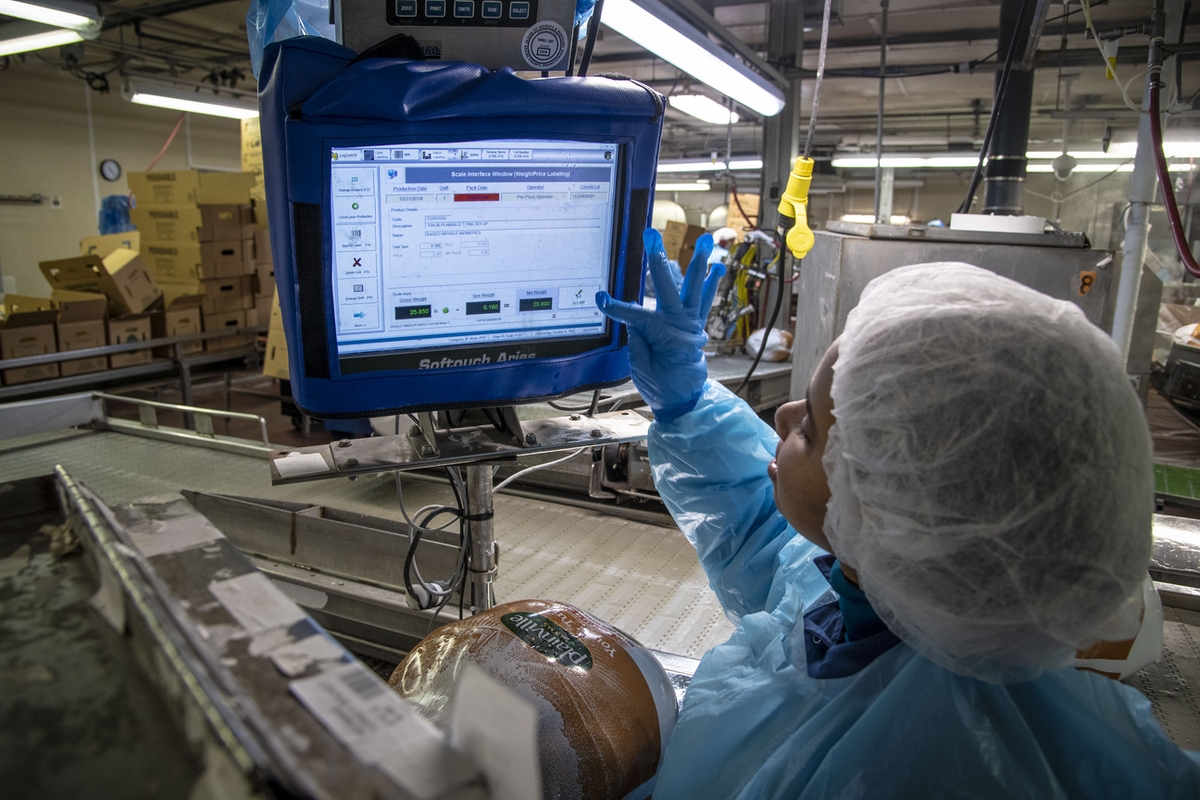
Increasingly, software and automation tools are used to increase productivity and reduce costs in industrial activity. An example of impactful technology is the manufacturing execution system, also known as MES.
An important ally in industrial management, MES, when correctly incorporated, can bring countless benefits to all factory sectors. Furthermore, a non-traditional manufacturing execution system provides data-driven decision-making.
In this article, we will discuss how this system helps monitor and control production operations in a factory, understand how it works, and how it can transform traditional manufacturing into a modern and efficient one. Shall we?
Traditional Manufacturing vs. Modern Manufacturing with MES
In traditional manufacturing, processes are frequently controlled manually—meaning with little technological integration, excessive use of paper documents, and multiple spreadsheets, for example. In this case, decision-making is based on old records and outdated information. This can lead to errors, delays, and a lack of efficiency.
- Traditional manufacturing example: a worker manually monitors a production line, noting problems on paper. If an error occurs, it may not be detected until production is finalized, resulting in waste and rework.
- Modern Manufacturing with MES example: sensors on machines collect data continuously, sending information to the MES, which automatically adjusts production to prevent problems. This minimizes waste and optimizes efficiency.
What to look for in a manufacturing execution system?
The most important thing before implementing a manufacturing execution system is to look for what best fits your business model. However, there are basic points that a good MES must meet, which are:
- Solve problems: identify and correct flaws quickly.
- Optimize time: accelerate processes and minimize downtime.
- Manage production: offer total control over all factory operations.
These functionalities are essential for choosing the ideal MES system. For example, the ability to monitor the production line in real-time allows detecting and correcting errors before they become major problems.
Currently, one of the biggest challenges in industrial administration is having accurate and up-to-date information from the shop floor. A robust MES not only monitors but also integrates information from the entire production line, generating detailed reports and charts that help with corporate management.
In this case, performance monitoring and analysis, for example, plays an important role. It becomes paramount for solving issues such as repairing errors before production is finalized.
Another important point is real-time information integration and processing. After all, the manufacturing execution system needs to produce accurate reports of each production stage to support problem tracking.
The use of MES also enables decisions to be data-driven, supporting the company’s strategic decisions through comprehensive analyses.
Therefore, to go beyond traditional manufacturing systems, it is necessary to understand the importance of a good MES and how it operates on a daily basis. It must primarily present integrated and efficient solutions, such as performance reports with real-time data and information. This is a paramount tool for management to make assertive decisions.
Why invest in an MES system?
Above all, adopting an MES means increasing efficiency and productivity, in addition to reducing errors and risks in the production process. All necessary information is concentrated in one place, avoiding problems that could compromise production effectiveness.
Furthermore, MES integrates all sectors involved in the production line, with intersecting data and updated reports. For production management, this mechanism is essential to avoid process failures.
Which sectors are impacted by MES?
MES positively impacts all sectors of the company, from finance to quality control and customer service. It offers an integrated view of processes, facilitating the implementation of efficient and advanced production practices, promoting strategic management of the entire business.
Impacted Sectors:
-
- Financial: improves cost forecasting and reduces waste.
- Quality control: increases accuracy in defect detection.
- Customer service: improves the ability to quickly respond to market needs.
What are the benefits of implementing MES?
A comprehensive manufacturing execution system brings countless benefits to administration and affects the business as a whole. The definition of real-time data-driven strategies helps improve yields, decrease operational costs, and achieve more efficient production, for example.
Thus, a business that can continuously improve the quality of its products and projects gains competitiveness and savings. Check out some of the gains that the integration between production management and corporate management provides for the industry:
- Standardization and systematization of processes across all sectors;
- Real-time visibility and control of the entire manufacturing production line;
- Efficient tracking and diagnostics in problem-solving;
- Operational and strategic decisions based on accurate and updated data and information
Start the Transformation in Your Company
A complete MES that goes beyond traditional production management systems can transform the business. After all, by performing a complete and efficient integration, it will provide fundamental information to optimize industrial management.
In addition to expanding production efficiently, you add value to execution processes, becoming more competitive in the market. Therefore, choosing the MES needs to be done carefully, evaluating the essential requirements to bring benefits to your administration.
Therefore, we conclude that the use of the correct MES can lead to a safe and progressive digital transformation in your company, making production processes more efficient and competitive. Carefully evaluate the requirements and benefits before implementing an MES system, and get ready to reach new heights in your industrial management.
Talk to specialists and discover how MES can benefit your operation. Implementing this technology can be the first step towards a new era of productivity and efficiency in your factory.

