
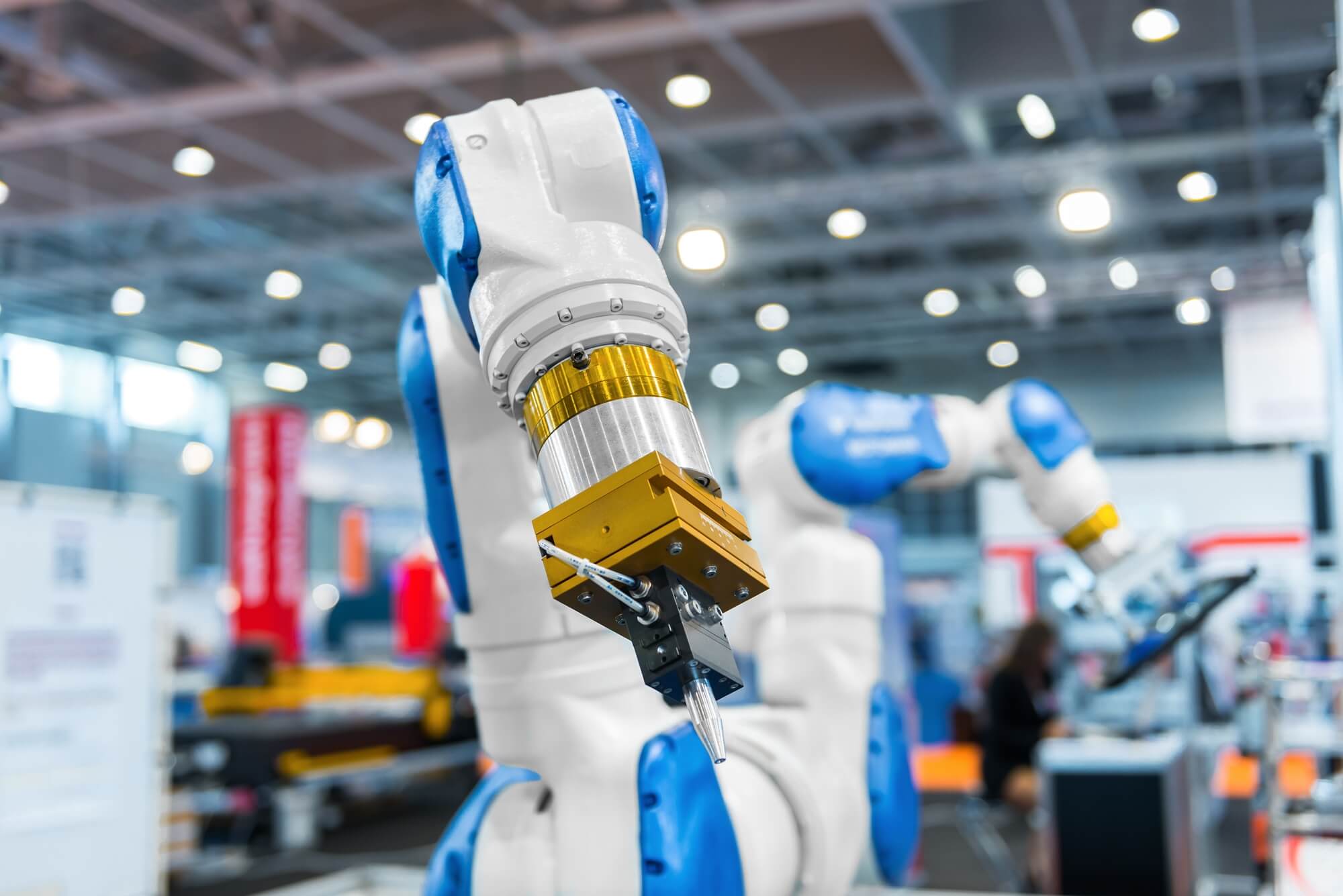
We are living in an era of technological transformations that may seem straight out of a sci-fi movie, but are as real as routine activities. In this scenario, Industry 4.0 is at the heart of this revolution, bringing with it an impressive set of technologies, including Internet of Things (IoT), Artificial Intelligence (AI), 3D Printing, Cloud Computing, Big Data, Analytics, Blockchain, and much more.
These technologies not only reshape the way we produce and consume, but also promise to reinvent business models and the customer experience. But among so many innovations, is your company ready to embrace the Fourth Industrial Revolution? Let’s find out together!
What is Industry 4.0?
If you are still trying to understand what this modern term means, here is a clear and direct explanation: Industry 4.0 is the intelligent automation of industrial processes, driven by a robust integration of technologies. In other words, it’s like supercharging your factory with the help of technology.
This revolution is part of digital transformation and promotes the digitalization of industrial activities, resulting in more agile, productive, and less error-prone processes. Imagine a factory where machines, systems, and people speak the same language, connecting all links in the production chain with unprecedented efficiency.
Fundamental principles of Industry 4.0
Within this whirlwind of innovations, some principles form the basis for Industry 4.0 success:
- Agile and real-time operations: The ability to acquire and process data instantly, enabling quick and informed decisions.
- Large volume of information: Thanks to Big Data, we can capture, analyze, and manage huge amounts of data, almost like a superpower to understand consumer behavior.
- Greater control and monitoring: With simulations and sensors, such as RFID technology, remote control and monitoring of processes are facilitated. It’s like having extra eyes to observe everything happening in the factory.
- Total process automation: Machines working in a decentralized manner, remotely commanded, ensuring more efficient production. Who would have thought machines could be so independent?
- Flexibility: Producing according to demand and easily reprogramming machines to meet market needs.
Crucial technologies of Industry 4.0
To ensure these principles materialize, Industry 4.0 relies on several key technologies:
- Big Data and Analytics: The analysis of large data volumes helps optimize processes and understand consumer behavior.
- Artificial Intelligence (AI): Present from autonomous robots to virtual assistants, AI learns and evolves, feeding the organization’s database for better strategic decisions.
- Internet of Things (IoT): Expands the concept to the Industrial Internet of Things, connecting equipment with smart sensors.
- Cloud Computing: Cloud computing eliminates the need for local servers, reducing costs and improving security.
- 3D Printing: Produces parts layer by layer from digital models. Perfect for creating prototypes or even mass production.
- Blockchain: Maintains information integrity and tracks processes in real time, like an immutable diary of all transactions.
Preparing your company for Industry 4.0
Adopting Industry 4.0 requires more than just acquiring new technologies; investment in infrastructure and people is necessary. The shortage of qualified labor is a concern, but the good news is that new job opportunities are emerging in IT and software development areas.
To adapt, your company needs to:
- Integrate processes: Create a network of flexible and adaptable systems.
- Adopt lean processes: Improve efficiency and reduce waste.
- Invest in machines and people: Invest in effective machines and qualify the team.
These steps help cope with growing demand and maintain competitiveness.
Industry 4.0 is not a passing fad; on the contrary, it is a necessity for those who want to remain competitive. Organizations investing in these technologies are seeing not only profit increases, but also significant cost and waste savings.
Sustainability and the search for new energy sources are now priorities. Industry 4.0 can pave the way so you are not caught by surprise and ensure your company is always one step ahead.
Global impact and challenges
Industry 4.0 is changing the global landscape, with forecasts indicating a significant increase in the adoption of these technologies. In Brazil, the potential is enormous, but implementation still faces challenges, such as the need for a more favorable business environment and access to affordable technologies for small businesses.
Adaptation may seem challenging, but it is not impossible. Starting the process early is crucial to avoid future problems.
So, the final question is: Has your company started adapting to Industry 4.0 yet? If the answer is no, it might be time to consider an upgrade—and maybe even subscribe to our newsletter to stay on top of all the news!
Follow our social media for more insights and updates and follow our blog.

