
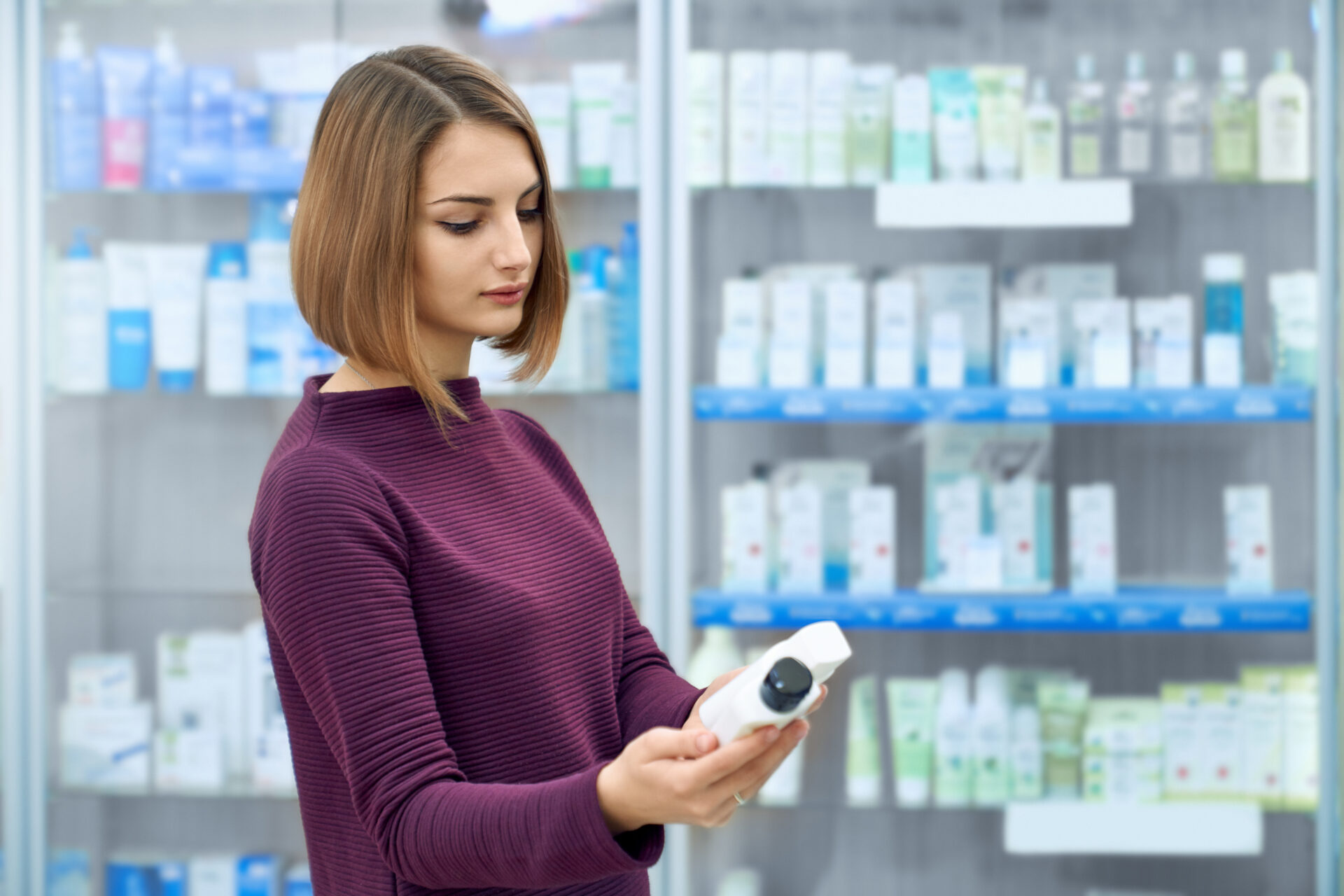
The cosmetics industry, personal hygiene, and perfumery grew by about 6.5% in 2022, according to data from Abihpec. The research compared this period with the same period of the previous year. This growth was influenced by changes in Covid-19 containment policies.
This is because, with the easing of the pandemic, social distancing was revoked and many people returned to their office routines, leaving the home office behind. Leisure activities and events also returned, which results in higher demand for beauty and perfumery products.
However, this industrial segment has faced several transformations and challenges. If you want to know how to stand out in the competitive market and face the changes, keep reading the article!
What are the challenges in the cosmetics industry?
Consumers are increasingly making choices based on brands that position themselves according to their values. Therefore, companies that want to stand out need to offer a connection experience with the public.
The impact of social media is undeniable in this scenario. As advertising and digital influencers address topics such as sustainability and inclusion, these subjects consequently impact consumer decisions.
In addition, competition grows every day. To give you an idea, Abihpec, the Brazilian Association of the Personal Hygiene, Perfumery, and Cosmetics Industry, has more than 350 associated companies from the sector throughout the country.
How to stand out in the cosmetics industry market?
To make your cosmetics manufacturing business stand out in the competitive market, you need to keep an eye on certain trends. See more below:
Sustainability
The concern for the environment is one of the most debated topics today. Among various discussions about global warming and forest fires, another decisive factor for the repercussion of this theme was the pandemic.
After facing distancing measures and a global health crisis, people have sought to engage in actions focused on sustainability, as well as looking for more natural products that are beneficial to both nature and their bodies.
As a result, items that use only vegan raw materials, biodegradable products, and recyclable packaging stand out in the cosmetics industry.
Consumer Journey
Historically, manufacturing plants do not have direct contact with the consumer. But certain actions, taken both on the production line and in marketing, can bring the brand closer to its audience.
It is worth noting that today, customers do not just want to buy, but seek a connection with the brand. This can be stimulated through immersive experiences.
The use of QR Codes, for example, sparks curiosity during the consumer journey. Placing a code on the packaging offering bonus content, besides improving the consumer experience, enables a multitude of opportunities. They can provide more information on how the product was made, explain its origin, offer tips and benefits, etc.
Attention should also be paid to the content brought on social media, which must be humanized and make the customer feel part of the business, showing the daily routine of production, backstage views, and company trivia, for example.
Technology
Advancements in medicine, science, and technology are constant, providing opportunities for process improvements and a competitive differential. According to data from the National Confederation of Industry (CNI), 80% of medium and large industries that innovated during the pandemic achieved better competitiveness, productivity, and financial results.
In this scenario, there are tools that address various demands, from advanced planning and demand simulations to the management of the entire production cycle. The ideal approach is first to understand the company’s priorities and bottlenecks, and then look for the technology that best helps.
Technology Implementation at Grupo O Boticário
Grupo O Boticário is an example of a cosmetics manufacturer that realized the need for automation in its processes. According to André Santos, industrial processes coordinator, it was necessary to innovate to keep up with the company’s growth.
“We needed a solution that would accompany us not only now, but 5, 10, and 20 years from now. We took many benchmarking trips, researched extensively, and along this journey, getting to know these tools better and talking to companies that had already implemented them, we realized that Delmia Apriso was the solution that would best serve us,” he adds.
Delmia Apriso is a MES (Manufacturing Execution System) software that operates in shop floor management. This software provides better production visibility, quality, and traceability, integrating the sectors and information existing in the production chain.
Teclógica has over 28 years of expertise and commercializes the Delmia Apriso and Ortems shop floor solutions, developed by the multinational Dassault Systèmes. Want to know more about what technology can do for your industry? Request a free demonstration with our specialists!
Article signed by: Aloisio Arbegaus, director at Teclógica.

