
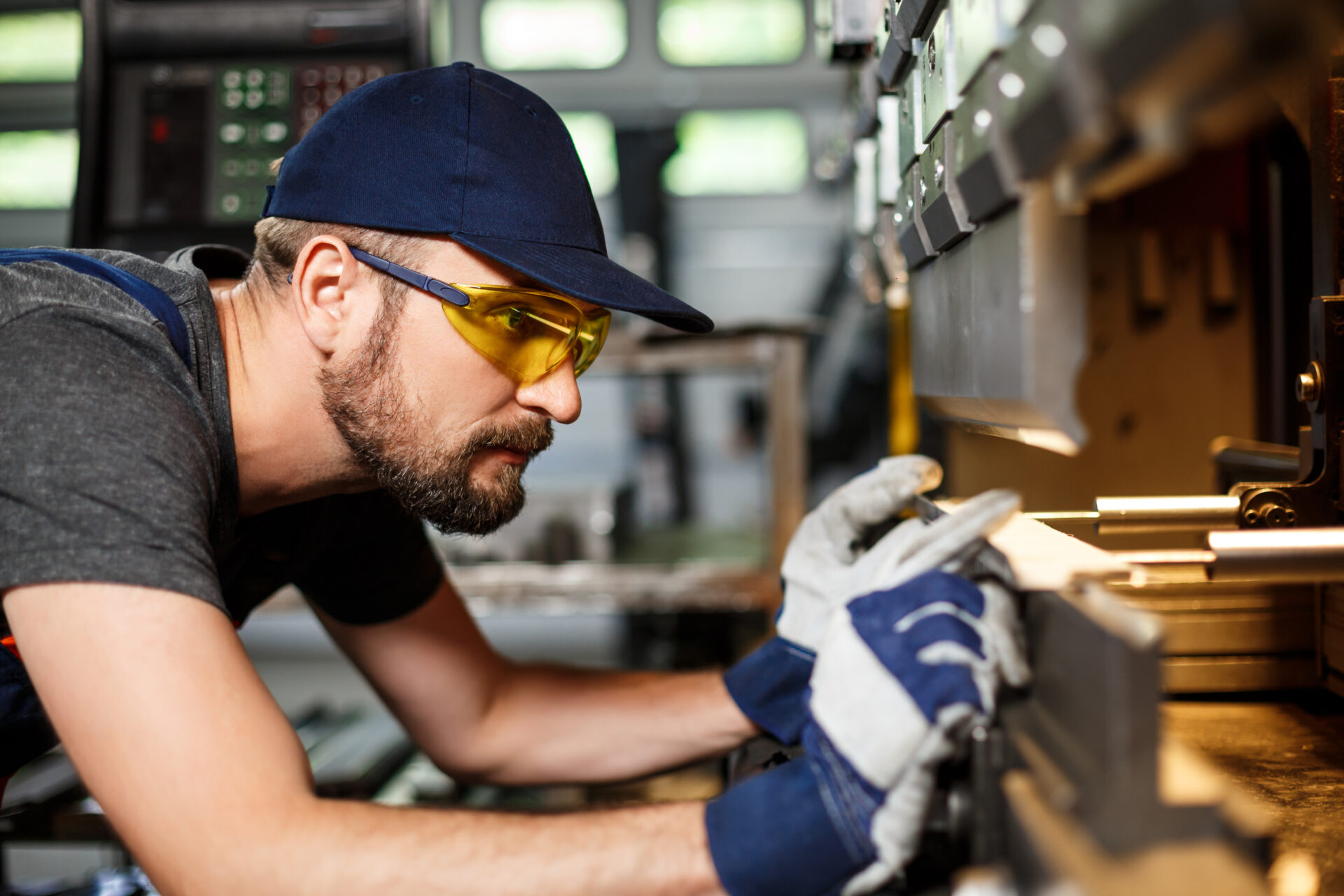
There is a question, which is still heard at engineering events and conferences, about the future of manufacturing and it goes something like this: “After all, is Manufacturing Engineering receiving due recognition in the Industry 4.0 revolution?”. If you work in the field, you know that the answer is often “no”. But without it, no digital transformation in the industrial sector would be sustained.
Manufacturing Engineering is the foundation of modern manufacturing, ensuring that everything from microchips to airplanes is manufactured efficiently, accurately and cost-effectively. With the rise of Industry 4.0, its role has expanded to include new technologies, automation and large-scale data analysis.
The Digital Revolution and Impact on Manufacturing
If we go back a few decades, the manufacturing engineer focused mainly on physical processes and production lines. Today, he needs to understand Artificial Intelligence (AI), Internet of Things (IoT) and Big Data. Modern production is not only based on mechanical efficiency, but also on theability to interpret data and anticipate failures before they even occur.
For example, the use of Digital Twins allows you to simulate complete manufacturing operations before physical implementation, saving time and reducing waste. Companies like Siemens and General Electric already use this approach to optimize their industrial plants.
Another crucial technology is Additive Manufacturing (or 3D Printing). It not only reduces prototyping costs, but also enables mass customization without compromising efficiency, according to one of the many articles in the Harvard Business Review that addresses this subject.
The New Profile of the Manufacturing Engineer
Digital transformation requires a hybrid manufacturing engineer: someone who understands both traditional engineering and programming, data analysis and automation. AMcKinsey report points out that by 2030, 50% of activities in factories will be automated, requiring new worker profiles.
In addition, industrial cybersecurity has become a central concern. With factories connected to the cloud and IoT sensors transmitting data in real time, any breach can compromise the entire production line. Studies by the Cybersecurity & Infrastructure Security Agency show that cyber attacks against industries have increased by 300% in recent years.
Adaptation and Requalification: The Challenge of the Century
But if technology evolves quickly, will professionals keep up? A study by the World Economic Forum highlights that by 2025, half of workers will require significant reskillingdue to the impact of automation.
Large companies have already realized this need and invest heavily in training their employees. Volkswagen, for example, created a digital learning platform to train its engineers in AI applied to manufacturing.
Manufacturing Engineering as a Competitive Strategy
If you still see Manufacturing Engineering as just a process optimization sector, it’s time to review that view. Companies that view manufacturing as part ofbusiness strategy have a massive competitive advantage. Tesla, for example, developed a verticalized production model that reduces external dependencies and improves scalability.
The Future is Now
So, we return to the initial question: “Is Manufacturing Engineering getting the recognition it deserves?” Maybe not yet, but it is clear that without it, Industry 4.0 would not exist. If you work in the sector, you need to embrace this revolution, seek continuous training and be ready for what comes next.
Manufacturing Engineering is not just a set of processes and techniques; it is the heart of modern industry. It defines how products are designed, manufactured and delivered to the market with efficiency, quality and innovation. With each technological advance, manufacturing evolves, requiring professionals and companies to constantly adapt.
Digitalization, automation and data analysis are not mere add-ons, but the pillars of a competitive industrial sector. Companies that understand this not only reduce costs and waste, but also create opportunities for sustainable and strategic growth.
More than ever, the success of manufacturing depends not only on machines and algorithms, but on the human capacity to innovate, integrate knowledge and transform challenges into opportunities. After all, the future of the industry will not only be built by those who follow trends, but by those who create them.
Did you like this content? So take the opportunity to follow our updates, tips and insights on our blog.
Follow us on social media and stay up to date with the latest news!


