
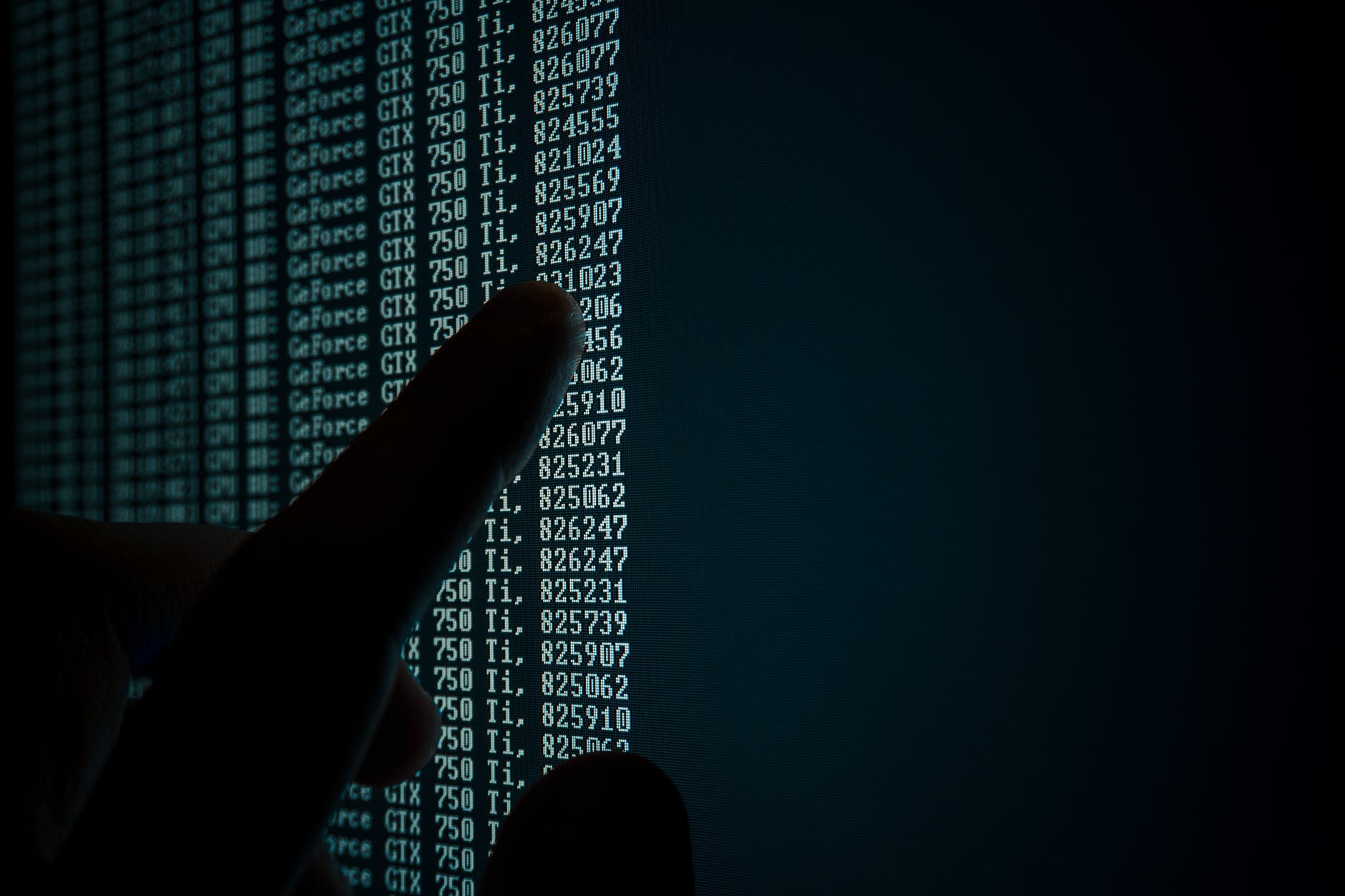
Traditional databases were developed to store information such as goods purchase and sales, product records, and customer registries. This information has been known for many years to be of extreme importance for the good health of a company.
These same databases can store information generated by machines and sensors, such as call logs, meters, location history, access logs, or even social data such as customer profiles, their habits, opinions about products, and even unstructured information like sound files, video, or images. Up to this point, nothing new.
Queries to find the birth date of an employee hired last month are a simple task for any database developed in the past millennium; fetching an equipment photo from inventory from a table is something that has been practiced for many years to build web pages on an e-commerce site.
What is Big Data?
Every day, 2.5 quintillion bytes of data are created, and 90% of the information we currently have stored was generated in the last two years¹. But how do we turn this bunch of information into something truly useful? This is the type of answer proposed by Big Data.
The proposal of “Big Data” is not only to collect, store, and present simple data to the user, but also, for example, to identify which product can be offered to a specific customer based on their comments on social networks, read and answered emails, geographic position, friendship network, or search engine queries.
Smartphones live in our pockets and are constantly informing service providers about our location, habits, and preferences. Credit card companies know where we spend our money and what our purchasing power is. Companies like Google, Facebook, or Amazon live on Big Data, adding value to information previously considered useless.
How Big Data Works
Big Data-based systems are generally separated into three phases: Acquisition, Transformation, and Analysis.
 Acquisition can be done via sensors, system log generators, images, sound, or data from conventional databases, but it is certainly not limited to these means. Data can be stored in a structured (databases) or unstructured (file system) manner.
Transformation is usually performed by appliances that use the MapReduce paradigm to “distill” information, turning batches of data into more useful information to be analyzed in the final phase.
Something like identifying important information in a tweet or a Facebook comment, learning new slang by analyzing sound, or improving system performance by learning what the user utilizes the most.
The third and final phase of information analysis is performed by DW or analytical applications to leverage the information selected in the previous phases. At this point, the information is ready to be used by decision-making systems, which will present the desired insights.
In Summary
From the name “Big Data,” we can conclude that it is a mass data system, but it is definitely not limited to that. Big Data is more about the concept of using data from diverse sources for decision-making rather than simply the use and management of petabytes of information.
Did you like the article? Then also follow Teclógica on social media: Facebook, Instagram, Linkedin, Twitter, and Youtube.
To learn more:
http://en.wikipedia.org/wiki/Big_data
http://www.nytimes.com/2012/02/12/sunday-review/big-datas-impact-in-the-world.html
http://mashable.com/2012/06/19/big-data-myths
