
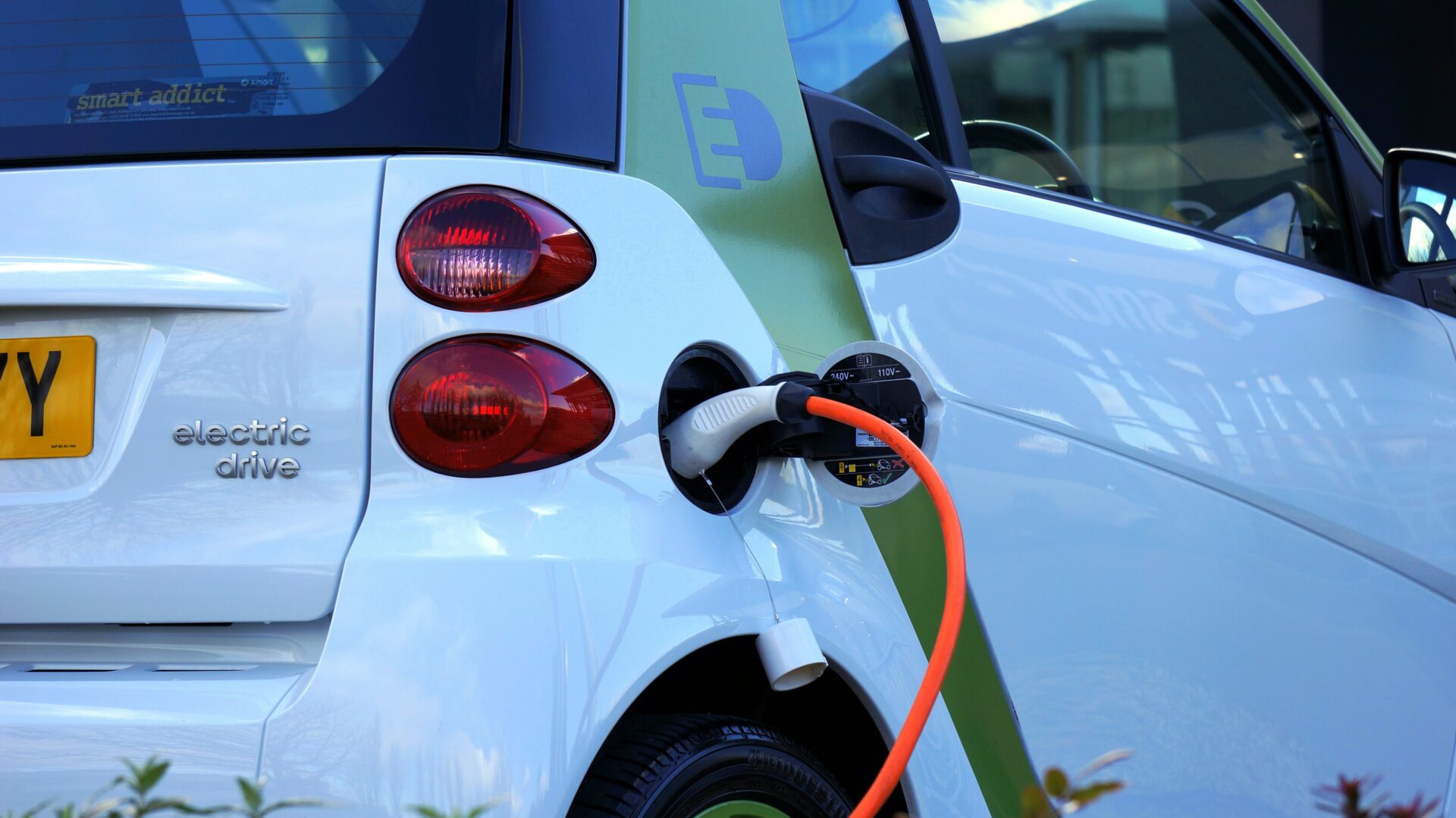
You probably already know that the world is in constant modernization. People are seeking to conserve natural resources and reduce oil consumption. Thus, electric cars emerge as one of the new alternatives found.,
In this context, the main bets for the future of road transport revolve around electric cars and their advantages for the environment.
The manufacturing of these vehicles has been increasing. At the beginning of the second half of 2022, Brazil was expected to reach the mark of 100,000 electric cars. Currently, there are about 79.8 thousand in circulation in the country, according to data from the Brazilian Electric Vehicle Association (ABVE).
Furthermore, according to a forecast by Gartner Inc, about six million electric cars were to be distributed in the year 2022.
Continue reading to understand more about how the increase in electric car manufacturing will impact the industry. Check it out!
How do electric cars work?
These automobiles have been around for some time. However, only recently has their technology been further developed. The great highlight of electric cars is their reduction in pollutant emissions. Therefore, it is considered a sustainable innovation that will save natural resources.
The burning of fossil fuels is one of the major causes of various diseases, as well as being responsible for global warming. Electric car motors, on the other hand, do not emit polluting gases.
Therefore, they are becoming an interesting option for the automotive industry, considering that about 11.9% of emissions from burning gasoline and diesel originate from road transport.
The battery of electric cars is made of lithium-ion. It is not very different from the common batteries we use in our daily lives. The battery pack can be composed of thousands of them connected in parallel and in series. As a result, they generate the electricity that powers the car’s motor.
Because they are made of lithium-ion, these batteries can be recharged countless times. Thus, electric motors have better energy efficiency.
They utilize about 90% of the energy from their batteries, whereas the combustion option utilizes an average of only 40%.

How electric cars impact the industry
The emergence of electricity-powered cars has brought several impacts that will be felt in the industrial sector. Below, check out more details:
Selling items in stock
During the transition and implementation of electric cars, automotive manufacturers will need to think of ways to sell the combustion-powered vehicles still in stock.
Measures must be devised to ensure they are traded. Consequently, the automaker will not suffer major losses, nor will it have cars sitting idly in inventory.
Proper attention must also be given to the ideal and correct disposal of these automotive parts, and aftermarket services must be considered—namely, spare parts replenishment until the models are discontinued.
Rethinking electrical energy
Similarly, it will be necessary to rethink electrical power infrastructure. This is because as the number of electric cars in circulation increases, more charging sources will be needed.
Currently, Brazil has few electric charging stations available, which hampers the wider circulation of these vehicles.
Furthermore, it is estimated that by 2040, electric vehicles will add 2.7 terawatt-hours to the world’s annual electricity demand. Therefore, electrical energy must be rethought to meet the needs of electric vehicle owners.
Focusing on training
The rise of electric cars will demand adaptation to new technologies, so the emergence of new professions is expected.
Although these vehicles generally require less maintenance, it is necessary to focus on training people to adapt to the technology involved, in addition to the new demands of the automotive market.
Demand for metals
Finally, the production and replacement of combustion vehicles with electric models is driving the demand for non-ferrous metals, such as:
- Aluminum;
- Copper;
- Niobium;
- Lithium.
These materials are used in the manufacturing of electric cars. Therefore, increased demand is estimated for industries that produce these types of metals.
Electric cars in Brazil
Despite their advantages, the advancement of electric cars in Brazil is still slow and may take a few more years to truly happen.
Some automakers even offer electric models. However, their prices are high compared to other vehicles in the same category. Moreover, charging stations are hard to find, and maintenance is expensive, with few workshops specialized in this service.
These issues still cause insecurity among people, making the choice of electric cars less common.
Vehicle sales are not yet very popular in the country and in the Brazilian industry. Consequently, there is no large economy of scale, making vehicles more expensive because everything depends on imports—which, of course, drives up production and purchasing costs.
However, some components are already losing their high value. The battery, for example, which accounts for about 30% of the vehicle’s total cost, has dropped in price by 87% over the last ten years.
Therefore, the advancement of electric cars is currently happening slowly but continuously in Brazil. Each year, the market improves, automakers create new models, and new adopters of this type of vehicle emerge.
Did you enjoy learning more about how the increase in electric car manufacturing will impact the industry? Be sure to check out the material “Industry Trends: How to Stand Out in the Market?”.

