
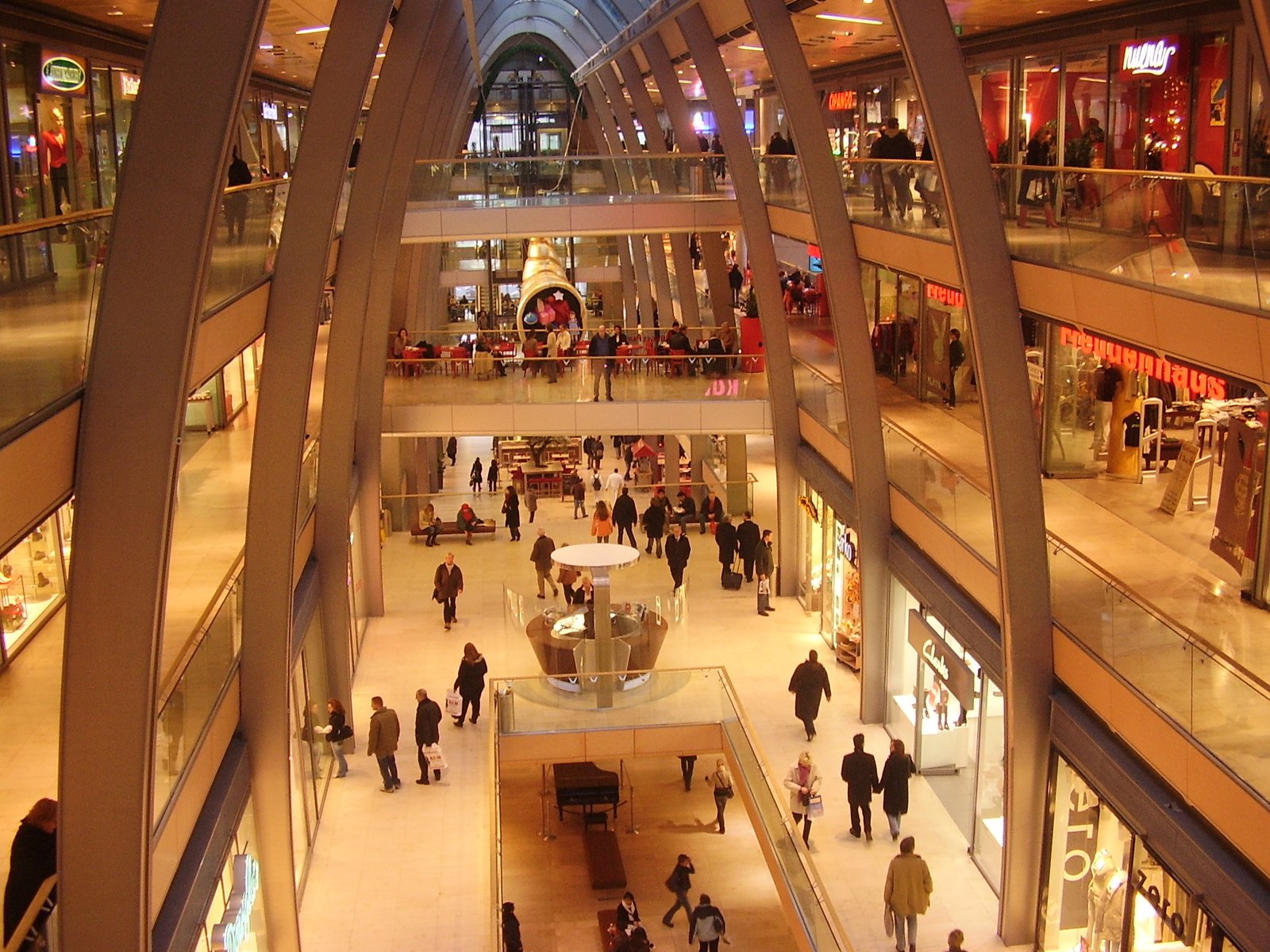
Even with the considerable advance of e-commerce worldwide, the majority of retail sales are still generated in physical stores. It is estimated that 70% of the total volume comes from face-to-face operations.
However, retail challenges have kept pace with the major changes created by the information age. With the consolidation of the internet and the convenience of online shopping, traditional retailers need to renew technology in physical stores.
The convergence of available purchasing channels, for example, is a vital challenge, as this integration has a lot to contribute to results. When visiting a physical unit of a given store, the customer expects to find the same prices seen on its e-commerce site, as well as a consistent return policy between the two channels.
It is also interesting to consider interactions that help promote both channels equally, so that they support each other rather than causing competition or confusion in the consumer’s mind.
The physical store needs to deliver a differentiated experience that adds value to what e-commerce cannot deliver. To achieve this, it needs to invest in customer service and ease of price checking, for example. The physical retail experience should surprise and delight the consumer.
Thus, the main point for physical retail to stand out even further is to understand the need to generate impact. Research states that 86% of people are willing to pay above the market average for a better shopping experience.
In addition, Baby Boomers, the generation born between 1945 and 1960, for example, have a purchasing power of $2.3 trillion; while millennials, those born between 1979 and 1995, hold $600 billion. These numbers point to how much physical retail finds enormous potential in people aged 60 and over.
Want to know how to overcome the challenges of what lies ahead? Continue reading!
Significant changes
In a process of constant transformation, it is essential to invest in changes that contribute to everyone’s experience inside stores. Therefore, bringing technology into physical stores as an ally is the future of the business.
Physical stores, as we know them today, tend to lose relevance with consumers if they fail to renew themselves. Technology is the key driver of change and is available to innovate relationships and bring potential customers closer. Therefore, it is important that managers keep up with this evolution.
Future Scenarios
Trends pointed out in a global study show that by 2025 the distinction between physical and online stores is expected to disappear. Since consumers seek real-time satisfaction for their consumption needs, the online store concept is expected to survive only as a back-end resource in transaction management. And physical spaces, according to the study, will experience a reduction in size and number of stores.
The research also shows that technologies such as virtual reality, artificial intelligence, and the Internet of Things will have a strong impact on retail, promoting personalized shopping experiences.
Want to know the importance of technology in physical stores and learn how to use it in your business? Continue reading the material!
New developments in physical store technology
The use of technology in the retail sector becomes a competitive differential, especially when using interactive solutions that blend sales and entertainment, providing a significant improvement in the shopping experience.
Applications that allow customers to choose what they want to consume even before arriving at the location are already available, as well as interactive store mirrors – equipment that, with clothes and accessories selected via augmented reality, demonstrates how they would look on the body.
Other new features involve QR code reading purchases, virtual storefronts, virtual totems, and contactless payment technologies. And even more opportunities can be explored, since the connected user also consumes content via the internet.
Satisfaction
These new features help investments in technology in physical stores increase customer satisfaction with retail shopping by facilitating and expanding purchasing possibilities.
Today, the role of the digital universe in the global retail management scenario largely determines how retailers operate in the physical market and how consumers interact with brands.
Business owners in the market must understand that there is no turning back. The modernization of the business model and technological evolution to deepen customer experience are necessary requirements for success.
To serve efficiently, technology offers solutions and tools specially tailored for the sector. Currently, possibilities based on new technologies are numerous.
We can mention Big Data, a resource that unifies a large set of generated and stored data and directs the right products to consumers; the Internet of Things (IoT), a network of objects with embedded technology, sensors, and network connectivity capable of collecting and transmitting data in real time.
Business Intelligence, on the other hand, performs data collection, organization, analysis, action, and monitoring to make the best decisions and determine whether investments are yielding good results.
Mobile technology, in turn, allows the use of data while the user is on the move, in addition to sector-specialized software. A strong trend in retail is the use of Omni-Channel, a retail trend based on the convergence of all channels used by a company, enabling consumers to see no difference between the online and offline worlds.
Where to invest first?
We have selected some essential technologies in physical stores for management for those who want to stand out in the current scenario:
Connectivity
Some chains already use platforms that combine various innovations to track, for example, the customer inside the store. It is possible to map where the customer walked, which products they showed interest in, and the most frequented areas of the store. Thus, the retailer can compare this with other e-commerce information and send offers for unpurchased products, among other innovations to boost sales.
Creation and development of a consumer profile
Technology can combine other tools, such as business analytics and data science, allowing store managers to know in real time which products sell best and in which stores, regions, cities, and states. Thus, technological innovations facilitate planning and determine which products should be offered in each region and store.
Ease of payment
In addition to traditional payment models, portable machines with mobile device connectivity that perform contactless transactions and digital wallets are strong market trends. This type of technology in physical stores helps attract potential customers.
Databases
Having a platform that generates all registration data is essential for stores aiming for greater organization and agility. Incorporating this type of tool with other store technologies maximizes information and optimizes customer relationships.
Thus, stores recover customer relationships and value the physical store as the main retail sales center. Technology ceases to be a threat to physical stores and becomes an ally for growth.
Do you already use any technology in your physical store? Comment below with your opinion regarding advancements in the retail sector!
