
Wearables are among the main technology trends of recent years, just like Big Data, Machine Learning, and Cloud Computing. Knowing what wearables are and what business opportunities they provide is very important to stay updated with market news and available opportunities.
Along with the advances of the Internet of Things (IoT), wearables are becoming increasingly popular. The expectation is that, just like smartphones, they will become an important part of people’s daily lives.
In this article, we will better explain what wearables are, what opportunities they bring, and how they can be used in your company. Check it out!
What are wearables?
The English term “wearable” can be translated literally, but a more accurate adaptation in the appropriate context would be “dispositivos vestíveis” (wearable devices).
In practice, they are technological equipment that can be worn like a piece of clothing or an accessory. Additionally, they must have some form of connection to other devices or, ideally, the internet.
Among the most common examples of wearables today are smartbands and smartwatches, which are high-tech watches with various features (such as sending messages, calls, scheduling meetings, activity monitoring, among others).
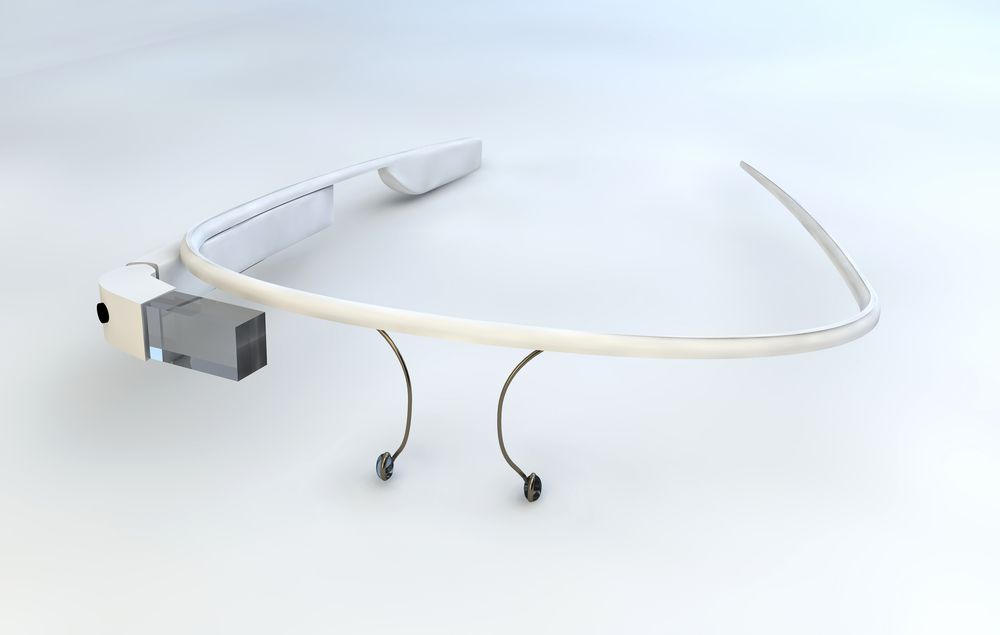
Besides these, other devices are already being tested and launched. For example, clothing with sensors that track user movements and augmented reality glasses.
With wearable devices connected all the time, it is possible to access data about users even in real time. In this context, best practices and security standards are essential to ensure the privacy of company and employee information.
How can wearables be used professionally?
There are already several wearable devices and applications that can be used within a company. Depending on the market type, current solutions may be more or less useful for a business, but it is worth getting to know what exists and at least preparing for the innovations of the coming years.
Wearables integrate very well with other booming technologies, such as Big Data, Machine Learning, and Cloud Computing. They can, for example, serve as a source for data collection, which will be processed by Big Data tools and generate valuable insights after behavioral patterns are identified by Machine Learning. All of this processed and stored in cloud systems.
The use of wearables in practice
A practical example is the use of smartwatches for teams operating in the field, such as salespeople. Unlike a cell phone, which needs to be removed from the pocket to be used, a smartwatch can deliver relevant information to a team on the streets and also serve as an interface for data entry and research when closing a purchase.
Similarly, a smartwatch can be an excellent accessory for teams during events, allowing them to communicate with more agility, practicality, and discretion.
Besides smartwatches, another item with high potential in the job market is augmented reality glasses. In recent examples, some prototypes of this type of equipment projected images of people to make a remote meeting more personal, facilitating this type of encounter.
In another example of this technology, architects used the equipment to decorate and renovate a room live, being able to deliver to the client a more precise vision of the final construction result before it even begins.
Wearables are an upward trend and have already begun making their way into companies as useful professional tools. The expectation is that more and more gadgets of this category will be used in practical applications in the corporate world.
Now that you know what wearables are and how they can be used in your company, how about learning why it is worth investing in IT trends?
