
Putting digital transformation into practice in the enterprise can be challenging. It is necessary to align people and company culture in pursuit of innovation and process updates.
Therefore, when an organization uses information technology to optimize its processes and increase team productivity and performance, it expands its market reach. Thus, it achieves results and creates a competitive differential for its business.
We have seen that it is necessary to pay attention to the main trends. To help you, we have listed the five main technologies that are expected to consolidate starting in 2018. Check them out:
1. Edge computing
Cloud computing is already a reality in organizations. However, this technology still needs to support the amount of interconnected data coming from smartphones, sensors, the Internet of Things, and others.
To solve this issue, the concept of edge computing has been gaining momentum. Instead of data going straight to the cloud (as is the case with cloud computing), it first passes through an intermediary machine. The gateway — as this machine that integrates networks is known — is located closer, which speeds up response time.
Thus, besides ensuring even better performance than the cloud, it reduces infrastructure costs and lowers the risks of downtime due to the large volume of data.
2. Blockchain
Originally, blockchain was a tool created to support Bitcoin (a virtual currency), but industry in general has come to show great interest in this technology.
In practice, blockchain is a data structure that acts as a transaction log or a financial accounting entry. Each digitally signed process aims to guarantee authenticity and prevent tampering.
Therefore, several companies are using this new technology in private transactions to ensure greater credibility and reliability.
3. Operating systems for the Internet of Things
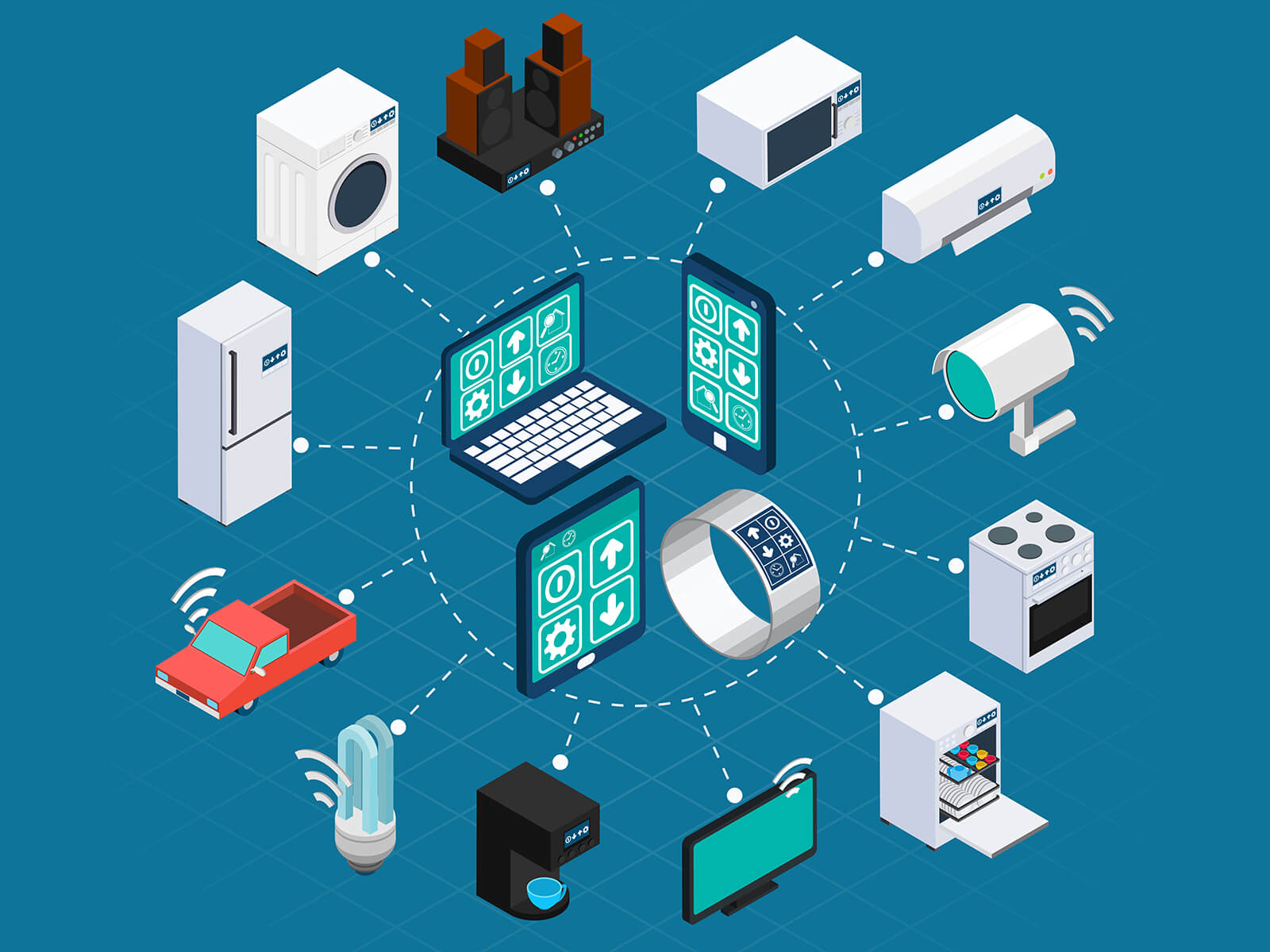
The Internet of Things (or IoT) is yet another technological revolution that basically connects ordinary objects to the internet. For example, household appliances, cars, subways, and even shoes.
Thus, the operating systems to control these objects need to be different from conventional ones. Some characteristics of these systems are:
- Low footprint (lower consumption of RAM, CPU, and flash memory);
- Better connectivity options (especially in wireless internet);
- Modular, secure, and scalable.
4. Smart applications
Also known as virtual personal assistants (VPAs), they are the evolution of current applications. The big difference is that they perform functions that a human assistant would do. They work through artificial intelligence.
Currently, smart applications fulfill simple tasks, such as notifying the time of an appointment or retrieving data from the web. But the trend is growth, and in the near future, these tools will be capable of performing much more complex functions.
5. Virtual reality
Virtual reality is a technology that allows user immersion through an interface that creates a virtual environment developed by a computer system. The tool is used in goggles and headsets, being quite well known in the entertainment world.
However, the virtual reality project is being taken to a new level, with companies creating worlds where it is now even possible to engage senses like touch. Without a doubt, it is a trend worth investing in.
Finally, digital transformation is already a reality, and those who adapt best will certainly have major advantages over competitors. It is no longer possible to provide a different and personalized service using obsolete technologies; it is necessary to understand needs and utilize innovative technologies.
Did you like the article? Have any questions or want to contribute? Leave your comment below.
