
The year 2021 was marked by the recovery of the industrial sector and, as business began to balance out, the demand for the machinery and equipment industry increased, exceeding expectations for the period. According to ABIMAQ, this segment is estimated to continue growing by about 4% in 2022.
This is largely because business owners needed to think of disruptive strategies to deal with the losses incurred during the onset of the pandemic, so they invested in new resources and equipment.
To give you an idea, still according to ABIMAQ, sales of agricultural machinery grew by 44%, while road and construction machinery sales increased by 72% in 2021.
The growth of the machinery and equipment industry occurred both nationally and internationally. For the Brazilian economy, the benefits are numerous, among them the job creation. According to data from the Fiesc Observatory, the segment increased its number of employed people by 13.4% in 2021.
To learn more about the subject and discover the key points to invest and get ahead, continue reading the article!
Why did exports grow in the machinery and equipment industry?
The industrial machinery and equipment sector benefited greatly from the appreciation of the dollar, which made imported goods more expensive and, consequently, opened opportunities for Brazilian industries. This scenario also contributed to the increase in exports of national machinery to other countries.
Another factor that boosted exports was the emergence of vaccines against COVID-19, which allowed the opening of borders of several countries and, consequently, international transactions.
According to data, exports grew by 34.2%, reaching US$ 9.37 billion in 2021, and imports reached US$ 21.16 billion, up 23.4%.
The importance of shop floor management
Industry challenges are inevitable: competitiveness, lack of inputs, increasingly demanding consumers, and tight deadlines. To ensure the scalability of the plant in this growth scenario, having fast and efficient shop floor management is essential.
In this context, relying on technology is crucial. There are solutions on the market to meet various demands, so the first step is to understand your company’s needs.
Machine Learning, manufacturing software, and digital twins are some examples of technologies available to facilitate industrial routine. But the list is huge.
Benefits of technological modernization
In an interview, ABIMAQ’s executive president, José Velloso, stated that around R$ 15.45 billion will be invested in the Brazilian machinery and equipment industry, and of this amount, 38.2% will be allocated to technological modernization.
Technology has several resources to meet the most varied demands present in the industrial sector. Discover some benefits gained by using technological resources!
Increased productivity
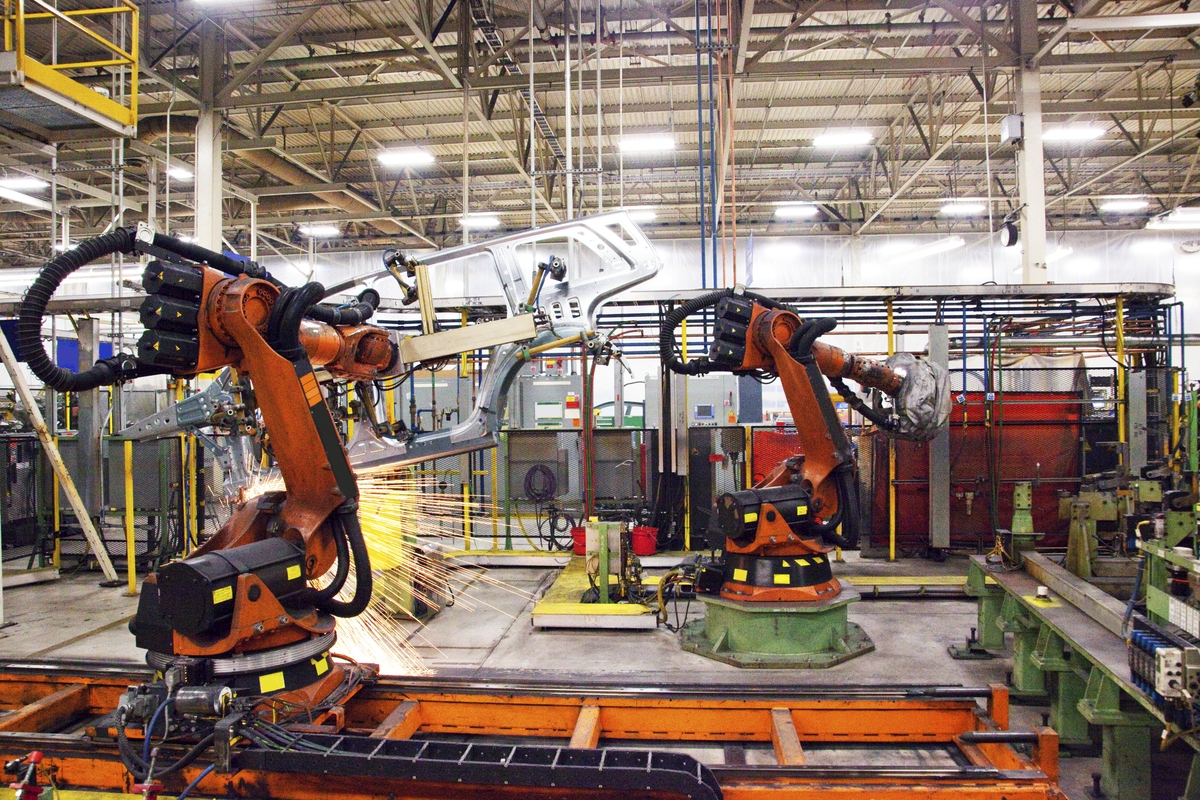
With more automated processes, teams spend less time on heavy and repetitive tasks – which can be done with the help of robots or software-programmed equipment – and can focus on more strategic activities, such as quality control and production management.
Furthermore, with the support of technology, the production chain works driven by scheduling, making it possible to run digital simulations before starting production. This significantly reduces rework and communication failures on the shop floor.
Thus, team productivity increases, everyone works in synchronization, and projects are successfully delivered on time.
Operational efficiency
With the help of specialized solutions, it is possible to understand the industrial layout and thus optimize machinery and staff locations so they can work in sync in an ergonomic environment where they can easily reach necessary items.
Still in the context of ensuring operational efficiency, it is possible to monitor indicators throughout the production process. This ensures that changes and improvements can be made during production if bottlenecks are found.
Therefore, having a process backed by technology will ensure much higher delivery quality, as well as enabling continuous improvements for the plant.
Examples of application in industry
As mentioned earlier, there are several technologies that can be used to facilitate a factory’s daily routine.
Some software act on production planning, helping to make it fast and automated. This type of solution takes into account factors that can impact deadlines, such as seasonality, equipment maintenance, etc., in addition to the factory’s historical data.
Other types of tools operate in the management of the entire production chain, tracking manufacturing execution and supporting with KPIs that help in the continuous improvement of processes. Additionally, these systems offer production traceability and, consequently, better communication between departments.
Want to know more about how software can support shop floor management? Download our free ebook: Everything you need to know about MES systems!

Article signed by: Aloisio Arbegaus, commercial director at Teclógica, a technology partner company of Dassault Systèmes.

