
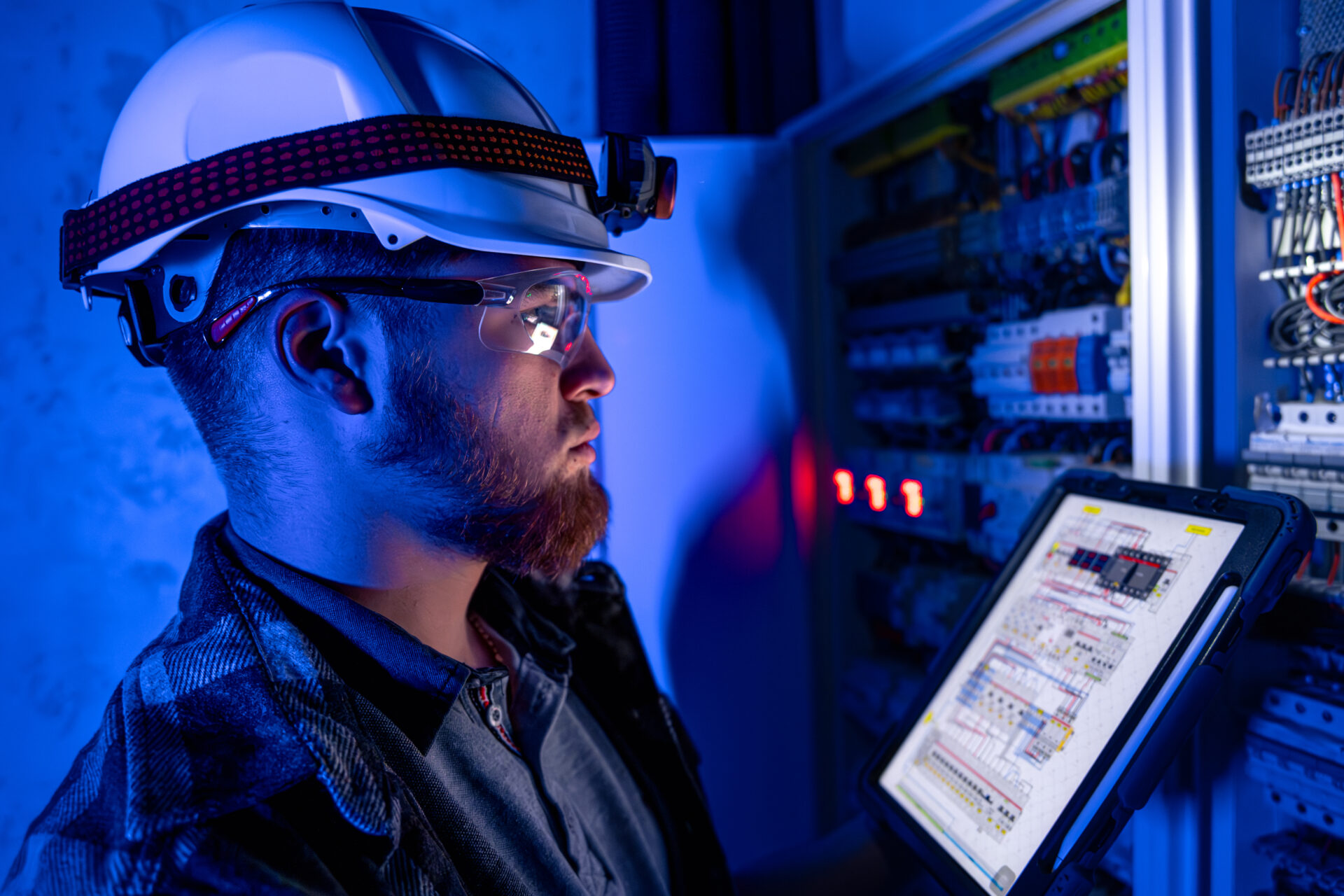
The industrial digitization, also known as Industry 4.0, represents the integration of digital technologies into production processes, therefore, revolutionizing the way factories operate and interact with the market. Furthermore, this transformation ranges from task automation to the use of artificial intelligence (AI) and Internet of Things (IoT) to optimize efficiency and productivity.
A industrial digitalization involves the conversion of manual processes into digital ones, using advanced technologies to improve production. For example, this includes the implementation of cyber-physical systems, automation, cloud computing and analytics. href=”https://en.wikipedia.org/wiki/Big_data”>big data to create smart, interconnected factories.
What are the benefits of Industrial Digitalization?
Although we can point out an extensive list of direct benefits (in addition to indirect ones) that justify adopting Industrial Digitalization as a conditio sine qua non for the industry right now, the list below certainly features some of the top ones. Let’s see:
- Increased Productivity – A automation processes in industry reduces production time and minimizes human errors, consequently resulting in greater operational efficiency. Companies that adopt digitalization are able to increase their productivity and improve the quality of products.
- Cost Reduction – A predictive maintenance, enabled by AI and IoT, allows you to identify potential failures before they occur. occur, avoiding unexpected downtime and high repair costs. Furthermore, optimizing the use of resources and energy contributes to reducing operating expenses.
- Improvement in Product Quality – Intelligent systems monitor production in real time, ensuring that products meet established quality standards. Thus, early detection of defects allows immediate adjustments, ensuring customer satisfaction.
- Workplace Safety – Robotics and automation can take on dangerous tasks, therefore reducing the risk of accidents and improving working conditions for employees. Smart sensors monitor the environment, warning of possible dangers.
Core Technologies
Even though, currently, these are topics widely discussed as recommendations for the industry, it is absolutely pertinent to mention and highlight certain technologies that are fundamental in Industrial Digitalization:
- Artificial Intelligence (AI) – A AI in industry enables machines to learn from data, make informed decisions, and perform complex tasks without human intervention. In this sense, AI is used to optimize processes, predict failures and customize products according to market demands.
- Internet of Things (IoT) – IoT connects devices and machines to the internet, allowing communication and data exchange in real time. In this way, this interconnection facilitates continuous production monitoring, predictive maintenance and efficient resource management.
- Big Data – Big data refers to the processing of large volumes of data generated during production. Therefore, analyzing this data offers valuable insights for making strategic decisions, identifying trends and continuously improving processes.
- Robotics –Robotics plays a crucial role in automating repetitive and dangerous tasks. Furthermore, collaborative robots, or cobots, work alongside humans, increasing efficiency and ensuring greater precision in operations.
Implementation of Industrial Digitalization
If it is possible to point out some factors as elementary and even primary for the implementation of industrial digitalization, the items below certainly figure among them:
- Assessment of Current Processes – Before beginning digitalization, it is essential to map existing processes to identify areas that will benefit from automation and digital integration. This analysis helps define priorities and implementation strategies.
- Investment in Technological Infrastructure – The adoption of digital technologies requires investments in infrastructure, such as sensors, communication networks and integrated management systems. It is essential to ensure that the infrastructure supports new technologies and allows for future scalability.
- Employee Training – Digital transformation requires employees to develop new skills to operate and maintain implemented technologies. Continuous training and development programs are essential for digitalization success.
- Ensuring Data Security – With digitalization, data protection becomes crucial. Implement cybersecurity measures and comply with regulations, such as the General Data Protection Law (LGPD), is essential to avoid risks and maintain the integrity of information.
Challenges and Benefits of Digitization
Although digitalization offers numerous benefits, industries face challenges in integrating technologies and adapting to new market demands. Resistance to change, the lack of adequate infrastructure and the shortage of qualified professionals are obstacles that need to be overcome to achieve digital maturity.
Industrial digitalization is an inevitable path for companies that want to remain competitive in the current market. By adopting technologies such as AI, IoT, big data and robotics, industries can achieve higher levels of efficiency, quality and innovation. However, it is essential to carefully plan implementation, invest in infrastructure and train employees to ensure a successful transition to Industry 4.0.
To deepen your knowledge on the topic, we recommend additional reading:
- [What is digitalization in industry 4.0 and why is it important?]
- [Our Production Planning Guide, which will help you understand how APS systems can transform chains productive]
Did you like this content? So take the opportunity to follow our updates, tips and insights on our blog.
Follow us on social media and stay up to date with the latest news!


